People with autism may experience differences in how they connect, communicate, and build relationships with others. These differences are not limitations, but unique ways of experiencing the social world.
Social interaction challenges can affect everyday experiences such as starting conversations, interpreting facial expressions, understanding tone of voice, or forming friendships. For some individuals, social situations may feel overwhelming or unpredictable, while others may prefer structured or familiar interactions where expectations are clear. It is important to understand that these challenges are not a choice or a lack of interest in people. Instead, they are part of how the autistic brain processes social information. With the right understanding, patience, and support, individuals can develop meaningful connections in their own way and at their own pace.
Creating inclusive environments where communication is clear, routines are respected, and acceptance is encouraged can make a significant difference in helping individuals feel comfortable, valued, and understood.
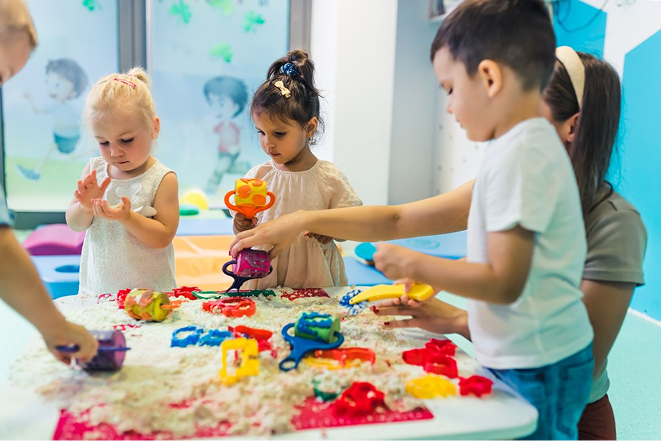
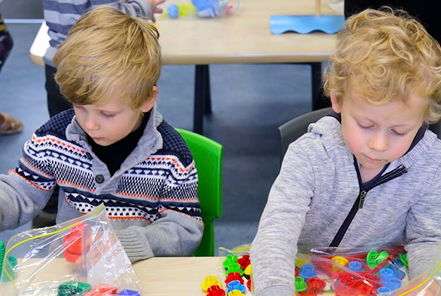
Every Interaction is an opportunity to understand, support and include
Social interaction challenges are common in autism. They can affect how individuals understand social cues, start conversations, share interests, or build and maintain friendships.
May have difficulty with verbal and nonverbal site.
May find it hard to interpret facial expressions of tone.
May struggle with making friends or relationships.
Autism affects how the brain processes information, including social information. These challenges are not a choice — they are part of how autism works.
Simple, consistent support can make a big difference.
May have difficulty with verbal and nonverbal site.
Short sentences and visuals can help friends or relationships.


5–10 Minutes
Take a short self-check questionnaire designed to help identify behaviors, communication patterns, and sensory experiences commonly associated with autism. This tool is for awareness and educational purposes only.
© 2026 Autism Awareness. All rights reserved.
